

Electromagnetic field sensitivity (EMF sensitive) can be described as a situation where the person is a sensitive to electromagnetic fields around him. This condition is not limited to areas where there is no electrical current, but it can be a problem for people with an open circuit, or who are in contact with electromagnetic field for long durations of time. The Environmental Health Center-Dallas has a thorough understanding of the factors that cause EMF sensitivity, and is able to assist patients with their symptoms. The center is able to conduct tests to determine if an individual is susceptible to EMF exposure. This can be accomplished using new technology that can measure heart rate variation.
I.E.-EMF sensitivity is a sign of emf exposure
Electromagnetic pollution and the generated electromagnetic fields are a factor in the onset of many of ailments. The symptoms can be difficult to detect and some individuals have reported a wide variety of symptoms. They could be the result of pre-existing conditions or an ailment due to the possibility of exposure to extreme levels radiation fields. Whatever the reason the symptoms can be very debilitating to individuals who experience them. Despite this, the scientific community isn't sure how common the IEI-EMF sensitivity syndrome is and the extent to which it is widespread.
It is not a symptom of electrohypersensitivity
While the symptoms of electrohypersensitivity and EMF sensitivity are similar, there are some key differences. Electromagnetic hypersensitivity is frequently misunderstood and symptoms can vary widely. https://sutherland-howell.hubstack.net/information-about-electromagnetic-field-sensitivity-1680333287 is essential to obtain an accurate diagnosis in order to determine the causes behind the condition and the possible treatments.
It isn't a symptom of EHS
Although EMF sensitivity is not an essential sign of EHS, it is often associated with the disorder. Some studies have suggested that the condition is related to environmental and genetic causes instead of a particular physical condition. Yet it is still necessary to conduct more research to come to a definitive conclusion.
It can be perplexing
The signs of EMF sensitivities can be confusing. The majority of EHS sufferers do not think their condition is due to a specific source. They seek medical help but are unable obtain a convincing diagnosis. This raises suspicions that they might have some sort of mental disorder which can cause an increase in feelings of anxiety and helplessness.
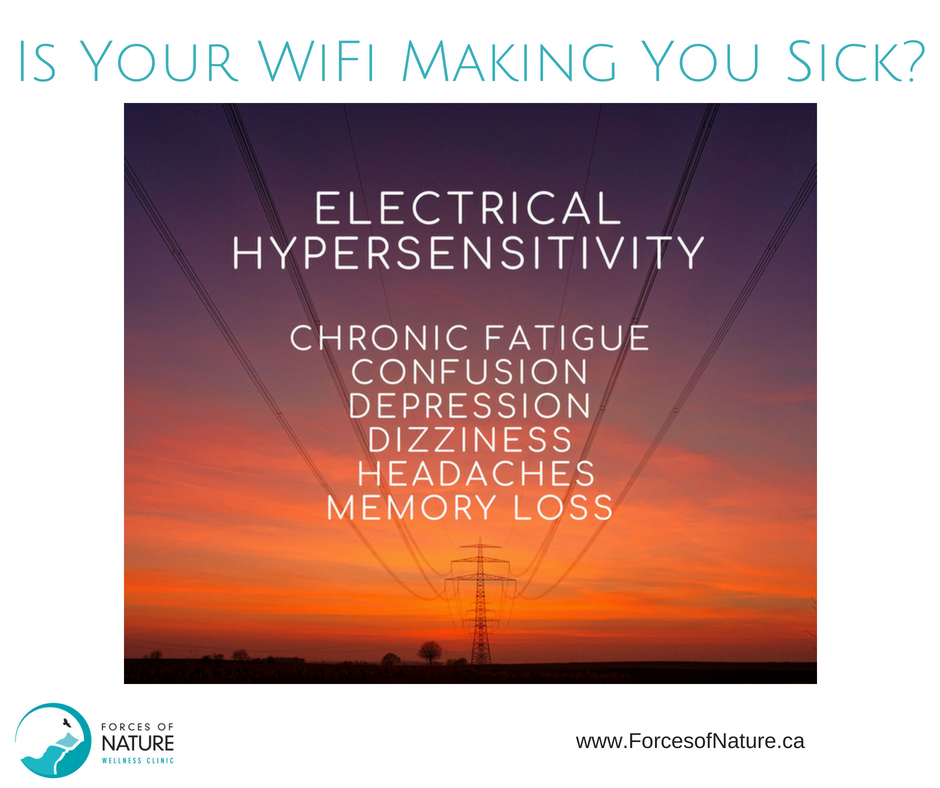
electromagnetic hypersensitivity syndrome can be scary
EMFs, also known as electromagnetic fields also known as EMFs, can be terrifying. electromagnetic hypersensitivity symptoms have reported unpleasant symptoms when exposed to these fieldsthat are generated by devices like Wi-Fi routers and mobile phones. The symptoms can range in severity, but in extreme cases, individuals are forced to avoid fluorescent lights and electronic devices. In extreme cases, people may even withdraw from the modern world, living in isolated communities that are known as "EMF-free zones".
It can help with production of melatonin.
The most important hormones that the body produces, melatonin, is synthesized by the pineal gland. It is implicated in many biological functions, such as the regulation of circadian rhythm. However, its role as a protection factor against non-ionizing electromagnetic fields has been challenged, largely due to inconsistency with the results of different studies. The current understanding of this hormone's protective mechanisms is mostly based on our knowledge of the mechanism by which it acts to shield your body from the oxidative stress produced by exposure to RF/ELF.
It may aid in autonomic nervous system changes
Numerous studies have shown that EMF sensitivities can impact the autonomic nervous system. Patients with the condition can experience altered autonomic responses and can experience digestive problems. There are some patients who have trouble digesting food properly or may pass out following a light meal. Other patients may notice changes in body temperature, and are suffering from heat intolerance. These issues are typically due to other health issues like diabetes.